[카테고리:] View all

  • 판매원 철학수업 1 | Salesperson Philosophy Lesson 1

    💡 제나의 조직 운영 철학 시리즈 #1 | Jena’s Organizational Philosophy Series #1

    실적을 요구하기 전에, 사람을 구조에 포함시켜라
    Include the person in the structure before demanding the result


    🧭 핵심 철학 | Core Philosophy

    나는 ‘영업을 못하는 사람’에게도 진심으로 전하고 싶을 만큼
    좋은 경험을 설계할 것이다.
    I will design a brand experience that even those who are not good at sales would genuinely want to share.

    실적은 중요하지만, 사람을 무너뜨리면서까지 성과를 추출하지 않겠다.
    Performance matters, but I will never extract it at the cost of breaking people.

    누군가 함께하지 못한다면, 그것은 그 사람이 부족해서가 아니라 시스템과 맞지 않아서이다.
    If someone must leave, it’s because of misalignment with the system — not because they are inherently unfit.


    🔍 기존 영업 구조 vs 제나의 철학 기반 구조
    Conventional Sales Structure vs. Jena’s Philosophy-Based System

    항목 | Aspect 기존 영업 구조 | Traditional Sales System 제나 구조 | Jena’s Philosophy-Based System
    영업자 기준
    Salesperson Criteria
    설득 능력 중심
    Persuasion-centered
    진심 + 공감 기반 공유 욕구
    Genuine intent + empathetic desire to share
    실적 기준
    Performance Criteria
    수치 압박 → 생존 중심
    Numeric pressure → survival-driven
    설계 검증 → 재현성 중심
    Structure validation → replicability-driven
    평가 기준
    Evaluation Basis
    결과 중심
    Outcome-centered
    행동 구조와 구조 내 실현도
    Behavioral alignment within structure
    정리 기준
    Exit Criteria
    성과 부족 시 해고
    Fired when underperforming
    시스템과 불일치한 반복 행동 시 정리
    Disengaged when repeatedly misaligned with system

    📌 관리자 기준 운영 문장 | Operational Statement for Leaders

    “실적이 낮다고 사람을 자르지 않는다.
    다만, 구조를 깨뜨리는 반복 행동이 있을 경우 함께할 수 없다.”

    “I don’t fire people for low performance alone.
    But I cannot work with someone who consistently disrupts the system.”


    🌱 교육 슬로건 | Educational Slogan


    “팔고 싶지 않았던 사람조차 팔게 만드는 철학, 그게 진짜 브랜드다.”
    “When even those who hated sales feel compelled to share — that’s real branding.”

  • 🕊️ 나의 이데올로기적 통찰 – 나치즘, 믿음, 자기애, 종교, 철학

    🕊️ My Ideological Insight – Nazism, Faith, Narcissism, Religion, Philosophy

    나치즘과 이데올로기, 믿음, 자기애, 철학, 종교…
    이 세계관은 내 정신 속에서 하나로 통합되어 있다.

    Nazism, ideology, faith, narcissism, philosophy, and religion…
    These worldviews are integrated into one inside my mind.

    나는 내 정신세계를 타인에게 설명하기 어렵다.
    사람들은 나치즘을 단순히 인종차별의 역사로만 이해하지만, 나는 그 속에서 그들의 믿음과 잘못된 애정을 느꼈다.

    It’s hard for me to explain my mental world to others.
    Most people perceive Nazism solely as a history of racism, but I sensed within it their faith and misguided affection.

    그들은 자신이 잘못했다고 생각할 수 없었다.
    이념에 깊이 젖어 있었기 때문에, 그 믿음이 몸과 정신을 지배하고 있었다.

    They couldn’t even perceive themselves as wrong.
    Their beliefs, deeply embedded in ideology, governed both body and mind.

    물론 결과는 명백히 잘못된 것이었지만, 그들이 믿었던 ‘정의’는 그들의 진심이기도 했다.
    나는 이 현상을 구조로 파악하면서 마냥 그들을 욕할 수 없었다.

    Of course, the outcomes were clearly wrong, but what they believed to be ‘justice’ was sincere to them.
    Understanding this structurally made it hard to simply vilify them.

    히틀러는 흔히 사이코패스로 불리지만, 그는 독일에서 반려동물 보호법을 만들기도 했다.
    사이코패스는 일반적으로 동물 학대에서 두각을 드러낸다. 하지만 히틀러는 그러지 않았다.

    Hitler is often labeled a psychopath, but he enacted Germany’s animal protection laws.
    Psychopaths typically exhibit animal cruelty, but he didn’t.

    그는 자신이 옳다고 믿었고, 그 믿음은 잘못된 사상으로 이어졌다.

    He genuinely believed he was right, but that belief led to distorted ideology.

    정서와 감정을 가진 사람은 자신이 믿었던 것이 깨질 때 큰 고통을 겪는다.
    그들의 괴로움은, 종교적 광신이 꺾일 때의 고통과 닮아 있었다.

    Emotionally sensitive people suffer deeply when their beliefs collapse.
    Their pain resembles that of religious zealots losing their faith.

    그래서 나는 종교학이 떠올랐다.
    그들의 행동과 역사는 잘못된 사이비에 빠진 군중처럼 느껴졌다.

    This made me think of religious studies.
    Their behavior and history felt like a mass delusion led by a false cult.

    종교학을 공부해보니, 나치즘은 그 자체로 종교학적 요소를 품고 있었고
    그것은 철학, 자기애, 믿음과 얽혀 있었다.

    Studying religion revealed that Nazism itself contains religious elements,
    entangled with philosophy, narcissism, and belief.

    나는 내 정신세계를 두서없이 업로드하면서
    자기애, 철학, 인간에 대한 통찰들이 한꺼번에 머릿속으로 몰려들었다.

    As I uploaded my mental world in fragments,
    insights on narcissism, philosophy, and humanity flooded my mind.

    ‘나를 사랑하는 만큼 남을 사랑할 수 있다.’
    그렇다면 폭력 없는 평화는 어디서 비롯되는가.
    우리는 인간으로서 그것이 가능할까?

    “We can love others only as much as we love ourselves.”
    Then where does nonviolent peace originate?
    Is it possible as humans?

    나는 왜 그동안 사람으로 인해 고통받았을까.
    세상을 구조적으로 통찰하려고 하니, 감정과 구조를 분리할 수 있는 눈이 생기더라.

    Why have I suffered so much because of people?
    Trying to view the world structurally, I developed the ability to separate emotion from structure.

    과거를 떠올리면 여전히 아프고 괴롭지만,
    구조를 보고 분석하는 습성 덕분에 그 경험을 다시 들여다볼 수 있게 되었다.

    Though recalling the past still hurts,
    my habit of analyzing structure allowed me to revisit those experiences more objectively.

    그때 나는 자기애가 약하고, 너무 여렸다는 걸 인지하게 되었다.
    그래서 표적이 되었던 것이다.

    I realized then that my weak self-love and vulnerability made me a target.

    우리는 타인에 의해 상처받지만,
    내가 나를 사랑하고 믿으면 절대 무너지지 않는다.

    We get hurt by others,
    but if we love and trust ourselves, we never truly collapse.

    나는 수없이 좌절했고, 고통스러웠고,
    때론 그들을 죽이고 싶다는 충동도 들었지만
    감정과 상황을 분리해서 바라보자
    그 맹목적인 감정의 폭발은 서서히 사그라들었다.

    I’ve been defeated, pained, and at times felt murderous rage,
    but separating emotion from circumstance
    gradually calmed that blind fury.

    그냥 인간은 그런 존재구나.
    받아들이게 되었다.

    I came to accept that this is just what humans are.

    그렇다고 그들을 용서한 것은 아니다.
    그냥 이해했을 뿐이다.
    이것은 엄연히 다르다.

    That doesn’t mean I forgave them.
    I merely understood them.
    This distinction matters.

    나는 많은 사람들이 세상을 바라보는 시선을
    조금 분리해서 보고,
    타인에게 받은 상처를 스스로 치유할 수 있는 힘을 가졌으면 좋겠다.

    I hope more people learn to view the world with some separation,
    and find strength to heal their own wounds inflicted by others.

    그것이야말로
    세상을 살아갈 수 있는 힘이 된다.

    That is, truly,
    the strength to live in this world.

  • 나를 사랑하는 순간, 세상이 달라진다 The Moment You Love Yourself, The World Changes

    서론

    Introduction

    유명인은 대중의 주목을 받는 동시에 엄청난 비판과 욕설의 표적이 되기도 합니다.
    Celebrities often receive immense attention as well as harsh criticism and verbal attacks.

    이 현상은 단순히 그 사람이 잘못해서 벌어지는 일이 아니라,
    This phenomenon is not simply because the person is wrong,

    우리 사회와 개인 심리에서 기인하는 복잡한 메커니즘이 작동한 결과입니다.
    but results from complex mechanisms rooted in society and individual psychology.

    ‘나를 사랑하라’는 슬로건 아래, 우리는 자기 자신을 존중하며
    Under the slogan “Love Yourself,” we respect ourselves

    왜 사람들이 욕할 대상을 필요로 하는지, 그 욕설이 사회적으로 어떤 의미를 갖는지 살펴봅니다.
    and examine why people need targets for criticism and what social meanings these verbal attacks carry.


    1. 욕할 대상이 필요한 이유: 심리적 배경
    1. Why People Need Targets for Criticism: Psychological Background

    1-1. 심리적 카타르시스(감정 해소)
    1-1. Psychological Catharsis (Emotional Release)

    사람들은 일상에서 겪는 스트레스, 불안, 분노를 해소할 수단이 필요합니다.
    People need ways to relieve the stress, anxiety, and anger they experience daily.

    그 욕구가 ‘타인에 대한 비판과 욕설’이라는 방식으로 분출되기도 합니다.
    This desire sometimes manifests as criticism and verbal attacks against others.

    이 과정은 일종의 감정 배출구이며, 자신이 통제할 수 없는 복잡한 현실에서 순간적인 안도감을 줍니다.
    This process acts as an emotional outlet, providing momentary relief from a complex reality beyond their control.

    1-2. 정체성 및 소속감 강화
    1-2. Reinforcement of Identity and Belonging

    특정 인물을 비난하거나 욕하는 행위는 개인과 집단의 정체성을 강화하는 역할을 합니다.
    Criticizing or attacking specific individuals strengthens personal and group identities.

    “우리 편”과 “저쪽 편”을 구분하고, 비판 대상에 대한 공동의 부정적 감정을 공유하면서 결속감을 느낍니다.
    It divides “us” and “them,” fostering unity by sharing negative feelings towards the criticized target.

    이는 사회적 동조 현상과 맞물려 집단 내 응집력을 높이는 심리적 메커니즘입니다.
    This psychological mechanism, coupled with social conformity, increases cohesion within groups.

    1-3. 복잡한 문제 단순화
    1-3. Simplification of Complex Issues

    현대 사회는 매우 복잡합니다.
    Modern society is very complex.

    복잡한 정치·경제·사회 문제를 이해하고 대응하기 어렵다 보니, ‘욕할 대상’을 정해 문제를 단순화하는 경향이 강해집니다.
    Due to the difficulty in understanding and addressing complex political, economic, and social issues, people tend to simplify problems by selecting targets for criticism.

    이는 일종의 인지 부하를 줄이고, 감정적으로 문제에 대처하는 방식입니다.
    This reduces cognitive load and allows emotional coping with problems.


    2. 사회적 메커니즘: 미디어와 온라인 문화
    2. Social Mechanisms: Media and Online Culture

    2-1. 미디어의 관심 집중과 자극적 콘텐츠
    2-1. Media Focus and Sensational Content

    언론과 미디어, 특히 SNS 플랫폼은 클릭과 조회수를 극대화하기 위해 자극적이고 논란이 되는 콘텐츠를 선호합니다.
    Media and especially SNS platforms prefer sensational and controversial content to maximize clicks and views.

    유명인의 실수나 사생활, 외모 등 자극적인 요소가 대중의 관심을 쉽게 끌기 때문에 반복적으로 부각됩니다.
    Because sensational elements such as celebrities’ mistakes, private lives, or appearances easily attract public attention, they are repeatedly highlighted.

    2-2. 익명성과 책임 회피
    2-2. Anonymity and Avoidance of Responsibility

    온라인 공간의 익명성은 사람들이 평소보다 더 공격적이고 과격하게 행동하도록 만듭니다.
    Anonymity online makes people act more aggressively and harshly than usual.

    익명성 뒤에 숨어 상대에게 무례하거나 모욕적인 언사를 하는 경향이 커지며,
    Hiding behind anonymity, people tend to make rude or insulting remarks towards others,

    이것이 집단적으로 확산되면서 유명인을 대상으로 한 집중 공격이 이루어집니다.
    which spreads collectively, leading to concentrated attacks on celebrities.

    2-3. 사회적 불평등과 권력관계
    2-3. Social Inequality and Power Relations

    사회 내 불평등 구조 속에서, 권력을 가진 유명인에 대한 비판은 권력 균형을 맞추려는 본능적 시도로 해석될 수 있습니다.
    Within societal inequalities, criticism of powerful celebrities can be seen as an instinctive attempt to balance power.

    때로는 정당한 비판을 넘어서서 인격 모독이나 과도한 비난으로 이어지기도 합니다.
    Sometimes, this goes beyond legitimate criticism into personal attacks or excessive condemnation.


    3. 자기애가 높은 사람과 타인 비판 경향성 사람의 차이
    3. Differences Between People with High Self-Love and Those Prone to Criticism

    3-1. 자기애(자기 존중감)란?
    3-1. What is Self-Love (Self-Respect)?

    자기애는 자신을 존중하고 사랑하는 정도를 의미합니다.
    Self-love means the degree to which one respects and loves oneself.

    높은 자기애를 가진 사람은 자신의 가치를 인정하며 내면이 안정되어 있습니다.
    People with high self-love recognize their worth and have inner stability.

    3-2. 자기애가 높은 사람의 특징
    3-2. Characteristics of People with High Self-Love

    • 자신의 부족함과 단점을 수용하며 현실적으로 바라봄
      Accepts own shortcomings realistically
    • 타인에 대한 공감과 이해가 깊음
      Shows deep empathy and understanding towards others
    • 타인을 깎아내리거나 비판할 필요성을 덜 느낌
      Feels less need to demean or criticize others
    • 감정 조절이 뛰어나며 분노나 불안을 건강하게 다룸
      Manages emotions well and deals with anger or anxiety healthily

    3-3. 타인 비판 경향성이 높은 사람의 특징
    3-3. Characteristics of People Prone to Criticism

    • 자기애가 낮거나 불안정해 자신을 보호하려는 심리가 강함
      Has low or unstable self-love, with a strong desire to protect oneself
    • 자신의 문제나 불만을 타인에게 투사하는 경향
      Tends to project own problems or dissatisfaction onto others
    • 타인을 비난하고 깎아내림으로써 일시적 우월감과 안정을 얻음
      Gains temporary superiority and stability by blaming or belittling others
    • 감정 조절이 어려워 분노가 쉽게 표출됨
      Has difficulty controlling emotions and easily expresses anger

    4. 왜 자기애가 타인 비판을 줄이는가?
    4. Why Does Self-Love Reduce Criticism of Others?

    높은 자기애는 내면의 안정과 자신감에서 비롯되므로,
    High self-love comes from inner stability and confidence,

    다른 사람을 깎아내릴 필요 없이 자신의 삶에 집중할 수 있게 합니다.
    allowing one to focus on their own life without needing to belittle others.

    반면 낮은 자기애는 타인 비판에 에너지를 쏟게 하여, 결국 본인도 불안정한 감정 상태를 지속합니다.
    Conversely, low self-love leads to expending energy on criticizing others, perpetuating emotional instability.


    5. 결론 및 제언
    5. Conclusion and Recommendations

    • 유명인에 대한 과도한 욕설과 비난은
      Excessive verbal attacks and criticism toward celebrities
    • 개인의 불안정한 자기애가 사회적 투사와 결합한 결과입니다.
      are the result of individuals’ unstable self-love combined with social projection.
    • ‘나를 사랑하라’는 슬로건은 이런 악순환을 끊고
      The slogan “Love Yourself” breaks this vicious cycle,
    • 자기 내면의 평화에서 출발하여
      starting from inner peace,
    • 사회적 대화와 관계를 건강하게 만드는 출발점임을 상기시킵니다.
      and reminds us it is the starting point for healthy social dialogue and relationships.
    • 나를 사랑하는 순간, 세상이 달라진다는 메시지는
      The message “The Moment You Love Yourself, The World Changes”
    • 내면의 평화가 개인과 사회 전반에 긍정적 변화를 가져온다는 것을 담고 있습니다.
      expresses that inner peace brings positive changes to individuals and society as a whole.

    6. 중요한 추가 사항
    6. Important Additional Notes

    이 현상은 단순히 그 사람이 잘못해서 벌어지는 일이 아니라,
    This phenomenon is not simply because the person is wrong,

    물론 잘못한 부분이 있다면 당연히 비판받아야 하고, 잘못했더라도
    Of course, if there are mistakes, they must be criticized, and even if wrong,

    많은 경우 사람들은 잘못한 부분만 집중하지 않고, 그 외의 사생활이나 외모 등과 같은 본질과 무관한 부분까지 과도하게 비난하고 욕합니다.
    in many cases, people focus not only on the wrong parts but also excessively criticize and attack unrelated matters such as private life or appearance.

    이로 인해 진짜 쟁점이 흐려지고, 건설적인 비판이나 문제 해결은 뒷전으로 밀리게 됩니다.
    This causes the real issues to be obscured and constructive criticism or problem solving to be neglected.

    따라서 우리는 비판의 초점을 ‘잘못된 행동과 책임’에 정확히 맞추고,
    Therefore, we must focus criticism precisely on ‘wrong actions and responsibilities,’

    불필요한 인신공격이나 감정적 공격은 경계해야 합니다.
    and guard against unnecessary personal attacks or emotional aggression.


    마무리
    Conclusion

    욕설과 비난이 난무하는 시대에,
    In an era rampant with verbal abuse and criticism,

    자기 자신과 타인을 존중하는 태도는 우리가 만들어 가야 할 중요한 사회적 가치입니다.
    an attitude of respecting oneself and others is an important social value we must cultivate.

    그 시작은 나 자신부터 사랑하고 이해하는 데서 출발합니다.
    That beginning starts with loving and understanding ourselves.
  • “나는 나를 사랑하기로 했다” / I Decided to Love Myself


    나는 구순구개열로 태어났다.
    사람들은 나를 처음부터 ‘정상’으로 보지 않았다.
    태어나 처음 받은 수술, 13살의 잇몸이식과 앞니 브릿지,
    그리고 성인이 되어 반복한 세 번의 수술들.
    내 얼굴이 달라졌고, 사람들의 태도도 바뀌었다.

    I was born with a cleft lip and palate.
    People never saw me as “normal” from the start.
    My first surgery was shortly after birth, followed by a gum graft and front tooth bridge at thirteen,
    and three more surgeries as an adult.
    My face changed—and so did the way people treated me.


    그때 나는 깨달았다.
    사람들은 나를 다르게 대하는 것이 아니라,
    그들의 기준에 맞춰진 얼굴을 대하고 있었던 거다.

    That’s when I realized:
    People weren’t treating me differently.
    They were treating a face that finally fit into their standards.


    하지만 나는 그들을 원망하지 않는다.
    인간은 본능적으로 자신보다 약하거나 다르다고 느끼는 대상을 배제하고 우위에 서고 싶어 한다.
    교육과 윤리는 그것을 억누르려 하지만, 본질은 쉽게 바뀌지 않는다.

    But I don’t resent them.
    Humans instinctively reject those they perceive as weaker or different,
    and seek to dominate.
    Education and ethics try to restrain that,
    but our nature doesn’t change easily.


    그래서 나는 바깥이 아닌, 나 자신에게 집중하기로 했다.
    세상이 바뀌길 기다리지 않고,
    내가 나를 먼저 사랑해야겠다고 생각했다.

    So I decided to turn inward.
    Instead of waiting for the world to change,
    I chose to love myself first.


    어떤 얼굴이든 자신을 아끼는 사람은 빛난다.
    보편적인 미인상이 아니어도 괜찮다.
    스스로를 존중하고 가꾸는 사람은 내면과 외면 모두가 바뀐다.

    Anyone who truly cares for themselves begins to shine,
    regardless of conventional beauty standards.
    When you respect and nurture yourself,
    both inside and out, you begin to transform.


    나는 외모를 사랑하는 것이 아니라,
    외모를 통해 나를 회복하고 있다.
    이건 자존감 회복의 철학이고,
    매일 내 삶 속에서 조금씩 자라고 있다.

    I don’t love appearance for its own sake—
    I’m using it as a path to recover myself.
    It’s a philosophy of self-worth,
    growing quietly through my daily life.


    이 블로그는 단순한 기록이 아니다.
    나를 다시 사랑하게 된 과정,
    그리고 그 감정을 철학으로 만들어가는 실험이다.

    This blog isn’t just a journal.
    It’s a record of how I learned to love myself again—
    and an experiment in turning that feeling into a philosophy.


    지금 나는 공장도, 제품도 없다.
    하지만 철학이 있다.
    그 철학은 오늘도 나를 움직이게 한다.

    Right now, I don’t have a factory or a product.
    But I have a philosophy.
    And that philosophy continues to move me forward.


    당신도 한 번쯤,
    거울 속 자신을 외면한 적 있다면—
    이곳에 잠시 머물러도 괜찮다.

    If you’ve ever looked away from the mirror,
    even just once,
    you’re welcome to stay here a while.


    나는 나를 사랑하기로 했다.
    그리고 그 사랑을 철학으로 만들기로 했다.

    I decided to love myself.
    And I decided to make that love into a philosophy.

  • Blog Day 1 “Nazism, Cults, and the Ideology of a Brand” 나치즘, 사이비, 그리고 브랜드 이데올로기


    Today, I revisited the ideology of Nazism. 
    오늘 나는 나치즘의 이데올로기를 다시 들여다봤다.

    Many people remember Nazism as mere racism or dictatorship— 
    많은 사람들은 나치즘을 단순한 인종차별이나 독재로만 기억하지만— 

    but that’s only the surface. 
    하지만 그건 표면일 뿐이다.

    The Nazis truly believed they were doing the right thing. 
    나치는 자신들이 옳은 일을 하고 있다고 진심으로 믿었다.

    That belief was so strong, it mutated into fanaticism, 
    그 믿음은 너무 강해서 광신의 형태로 변질되었고, 

    and eventually led to one of the darkest chapters in human history. 
    그 결과는 우리가 알고 있는 참혹한 역사로 이어졌다.

    The frightening part is— 
    가장 무서운 점은— 

    they were sincere. 
    그들은 진심이었다는 것이다.

    They believed they were “cleansing Europe,” 
    그들은 “우리는 유럽을 정화하고 있다”고 믿었고, 

    and that it was justice—for their people, and their descendants. 
    그게 자기 민족과 후손을 위한 ‘정의’라고 여겼다.

    And it made me wonder: 
    그리고 나는 생각하게 됐다:

    What if that same terrifying thing called ideology were used for something good? 
    그 무서운 ‘이데올로기’가 선한 방향으로 쓰인다면 어떨까?


    Even today, cults, political extremism, and radical ideologies ruin people’s lives. 
    요즘에도 사이비 종교, 강성 정치, 극단주의 이념은 사람들의 삶을 망가뜨린다.

    I don’t believe ideology is inherently dangerous— 
    나는 이데올로기 자체가 위험하다고 생각하지 않는다— 

    I believe how it’s used is what matters. 
    어디에 쓰이느냐가 본질이라고 믿는다.


    So I want to experiment with ideology— 
    그래서 나는 이데올로기를 나만의 방식으로 실험해보려 한다—

    in a very personal way. 
    아주 개인적인 방식으로.

    “A cosmetic that helps people love themselves.” 
    “사람이 자기 자신을 사랑하게 만드는 화장품.”

    A brand that puts philosophy into each formula, 
    각 제품마다 철학을 담고,

    that sees customers not as consumers but as believers, 
    고객을 단순한 소비자가 아니라 신념의 동반자로 여기고,

    and trains staff not as salespeople but as messengers. 
    직원을 판매원이 아니라 전도자로 키우는 브랜드.

    That’s the kind of brand I want to create. 
    나는 그런 브랜드를 만들고 싶다.


    I don’t have a factory. 
    나는 지금 제조 공장도 없다.

    I don’t have products yet. 
    제품도 없다.

    But I have something else—a philosophy. 
    하지만 나에겐 철학이 있다.

    And like today, that philosophy grows in my daily life. 
    그리고 이 철학은 오늘처럼, 내 일상 속에서 자라고 있다.

    This blog is a record of that process— 
    이 블로그는 그 과정을 기록하려는 공간이다—

    the journey of building a brand out of belief. 
    신념으로 브랜드를 만드는 여정.

    And if you’ve ever felt, 
    만약 당신이 한 번이라도 느껴본 적 있다면,

    that you wanted to love yourself again— 
    ‘나를 다시 사랑하고 싶다’고—

    you’re welcome here anytime. 
    그럼 이곳은 당신을 위한 공간이기도 하다.

  • 제나의 일기

    나치즘과 사이비, 그리고 브랜드 이데올로기”

    오늘 나는 나치즘의 이데올로기를 다시 들여다봤다.
    많은 사람들은 나치즘을 단순히 ‘인종차별’이나 ‘독재’로만 기억하지만,
    그건 표면일 뿐이었다.

    나치는 자신들이 옳다고 믿었다.
    그 믿음은 너무 강해서, 광신의 형태로 변질되었고,
    그 결과는 우리가 알고 있는 참혹한 역사다.

    놀라운 건 —
    그들은 진심이었다는 거다.
    그들은 “우리는 유럽을 정화하고 있다”는 사명감을 가졌고,
    그게 자신과 후손을 위한 ‘정의’라고 믿었다.

    그리고 나는 생각했다.
    그 무서운 ‘이데올로기’가…
    만약 선한 방향으로 쓰인다면 어떨까?

    요즘에도 사이비 종교, 강성 정치, 극단주의 이념은 사람들의 인생을 무너뜨린다.
    이데올로기는 그 자체로 위험한 게 아니라,
    ‘어디에 쓰이느냐’가 본질이라고 나는 믿는다.

    그래서 나는 나만의 방식으로 이데올로기를 실험하려 한다.

    “사람이 자기 자신을 사랑하게 만드는 화장품”

    제품 하나하나에 철학을 담고,
    고객을 ‘소비자’가 아닌 ‘신념의 동반자’로 삼고,
    직원들을 ‘판매원’이 아니라 ‘전도자’로 키우는 브랜드.
    그런 것을 나는 만들고 싶다.

    나는 지금 제조 공장도, 제품도 없다.
    하지만 나에겐 철학이 있다.
    그리고 이 철학은 오늘처럼, 내 일상 속에서 자라고 있다.

    이 블로그는
    내가 철학으로 브랜드를 만드는 과정을 기록하려는 공간이다.

    당신도 만약,
    ‘나를 사랑하고 싶다’고 생각한 적 있다면
    가끔 여기 들러도 좋겠다.

  • What is a Custom Cosmetic Compounding Manager?

    A Custom Cosmetic Compounding Manager is a nationally certified professional in Korea who is qualified to formulate and compound cosmetics tailored to individual skin types, allergies, and preferences.
    This license is officially recognized by the Ministry of Food and Drug Safety (MFDS) and was established under the revised Cosmetics Act in 2020.
    Licensed professionals are authorized to provide customized prescriptions in clinics, pharmacies, aesthetic salons, and dedicated cosmetic shops, by directly blending and dispensing cosmetic ingredients.
    This role requires deep knowledge in cosmetic ingredients, hygiene and safety control, precise formulation skills, and personalized skin consultation.


    🧪 My Vision: A Science-Based Skincare Specialist

    I am currently studying cosmetic ingredient science in a structured and professional manner, while also training as a certified skin diagnosis expert.
    My goal is to analyze each individual’s skin condition and provide scientifically formulated and customized skincare solutions through personally crafted cosmetics.

    Meeting me means more than just getting product advice — it means receiving expert skin management based on scientific insight and tailored formulation.
    I am committed to becoming a true custom skincare expert who can diagnose, formulate, and prescribe the right products for each unique skin type.

  • A Glimpse into My Ordinary Moments

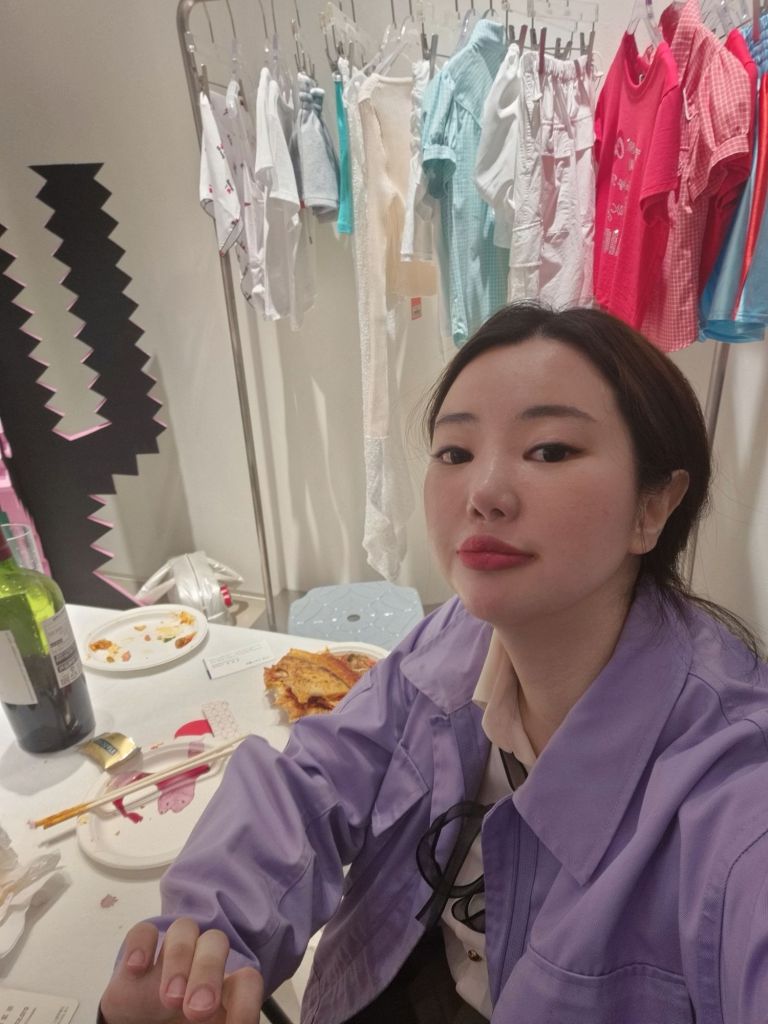
    Hello, I’m Jena. I’m a Korean woman who doesn’t speak English fluently, and I’ve never been good at decorating or pretending to be someone I’m not. I have a rather raw and straightforward personality.

    Today, I want to simply share a piece of my daily life — a candid moment in the middle of a small gathering. I was eating, chatting, and enjoying the simple things. I took this photo without thinking too much, just as I am.

    This blog is my personal space to grow — not through perfection, but through honesty. I may not be fancy, but I’m real. I hope to connect with those who appreciate sincerity and everyday beauty.

    Today was a meaningful day. I attended a small party where I met many kind and inspiring people. It reminded me that I still have room to grow, and I want to take each step forward slowly but surely.

    In Korea, WordPress isn’t very common for personal blogging. But I needed a space that truly felt like mine. A place where I can be myself and communicate with you, wherever you are in the world.

    This is my way of opening up, sharing, and growing

  • Behind Maison de Jena

    Behind Maison de Jena

    Hello, I’m Jena.I’m a Korean woman living a calm and ordinary life with my beloved dog — and a very meaningful dream.As a licensed cosmetologist, I started by formulating and selling handmade natural cosmetics.When I witnessed repeat purchases from clients with atopic skin and saw visible improvements, I realized that my hands had the potential to heal, and my formulas had real value.That experience shifted my purpose. I now aim to become a certified cosmetic manufacturer, developing skincare that is scientifically backed, legally safe, and personally meaningful.Currently, I work as a body design and aesthetic therapy specialist, offering advanced solutions such as fat reduction, pain relief, facial asymmetry correction, skin diagnostics, and Korean cosmetic consultations based on scientific principles.A brand that blends science, aesthetics, and sincerity —That’s the vision behind Maison de Jena.